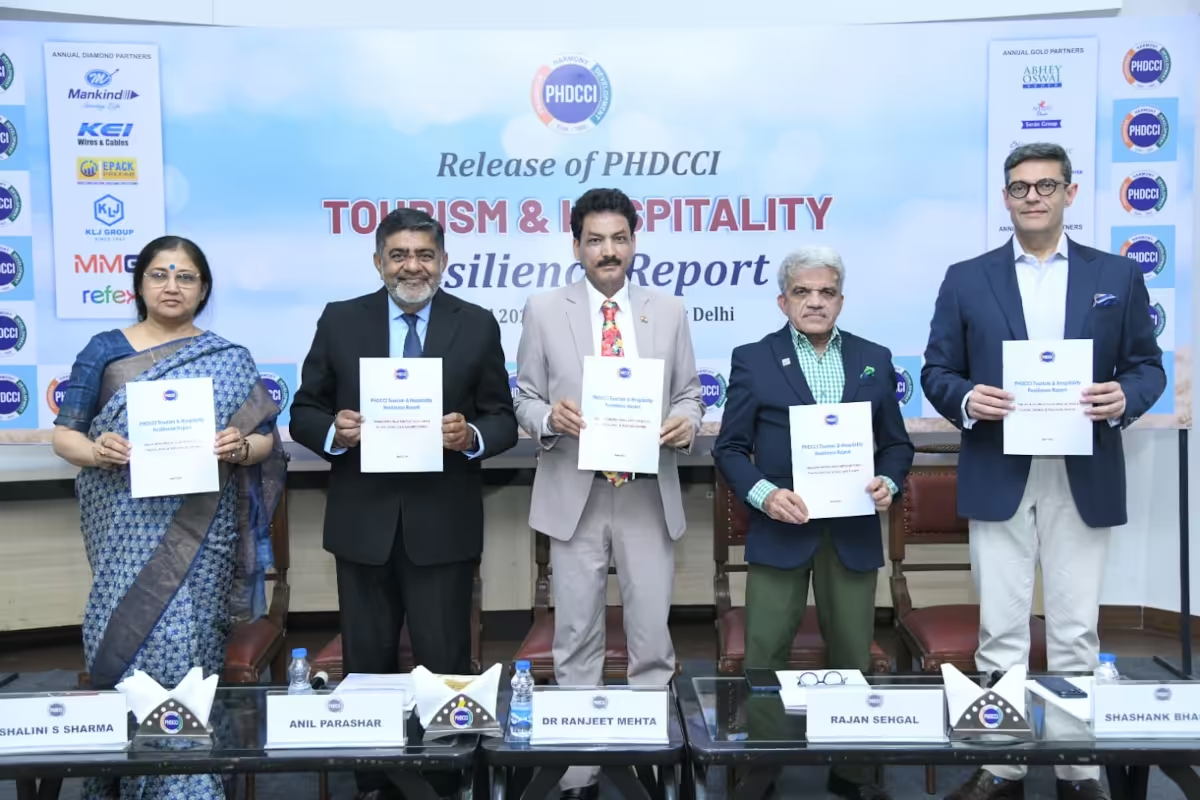
West Asia conflict; 15–20% dip in inbound tourist traffic; Rs.18,000 crore net loss for industry: PHDCCI report
PHDCCI released its report, ‘Impact of the West Asia Conflict on India’s Tourism, Aviation & Hospitality Sectors’, highlighting significant disruptions across aviation, inbound tourism, hospitality and restaurant segments, even as strong domestic demand continues to support overall sector stability. Aviation Sector - Most impacted: flight cancellations, rerouting, and airspace restrictions. - Flying times increased by 2–4 hours on key routes → higher fuel consumption. - Fuel costs (35–40% of airline operating expenses) have surged, straining profitability. - Disruption of Middle East air corridors (major global transit routes) has reduced connectivity and raised airfares. - Net industry loss estimated at ₹18,000 crore. Tourism - Inbound tourist traffic down 15–20%, especially leisure travel. - Outbound travel shifting toward short-haul destinations (Thailand, Singapore, Vietnam). - Long-haul and transit-heavy routes see moderation due to geopolitical risks. Hospitality - Sector remains resilient thanks to strong domestic demand. - Branded hotel inventory near 200,000 rooms; domestic aviation traffic > 5 lakh passengers/day. - Margin pressures from rising energy costs and input prices. - Premium/business hotels reliant on foreign travelers face profitability challenges despite stable occupancy. Restaurants & Food Services - 10% of restaurants closed; business down by ₹79,000 crore per month. - Input cost inflation of 10–15% (imported ingredients, logistics, energy). - Premium dining in tourist hubs hit by reduced international footfall. - Domestic demand and food delivery (20–30% of revenues) provide stability, but margins remain tight. Policy Recommendations - Diversify international air routes; reduce reliance on conflict-prone regions. - Enhance bilateral air service agreements. - Rationalize taxation on ATF, hospitality, and F&B. - Provide financial support and easier credit access for MSMEs. - Accelerate infrastructure development and multimodal connectivity. - Promote domestic tourism circuits and strengthen destination marketing in alternative markets. - Support local sourcing ecosystems to stabilize restaurant supply chains. Conclusion: While the conflict has caused short-term disruptions, India’s strong domestic tourism demand is cushioning the blow. The report frames this as an opportunity to build a resilient, diversified, and self-reliant tourism ecosystem.
Follow us on Insta