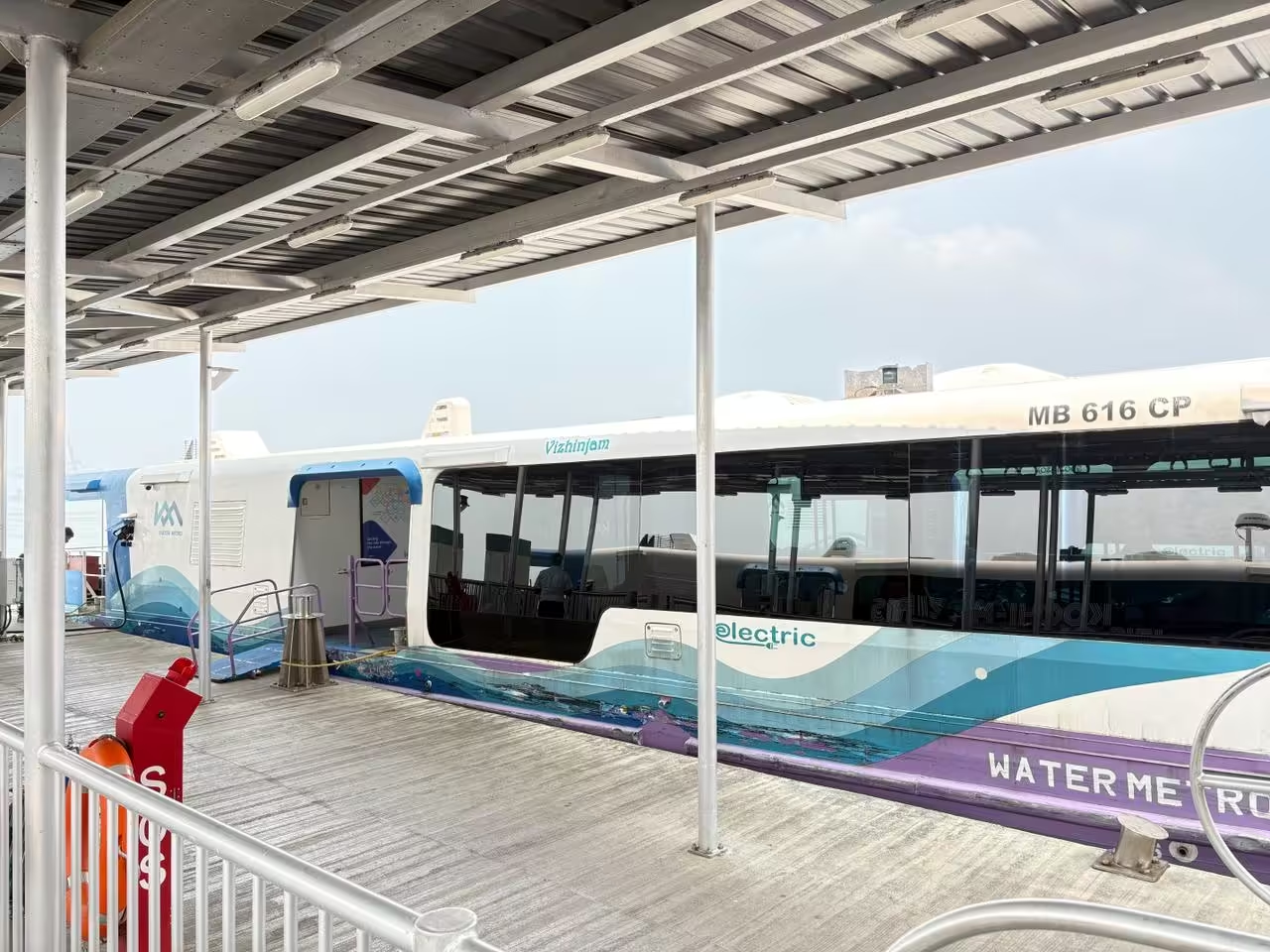
Guwahati, Srinagar, Patna, Varanasi, Ayodhya, and Prayagraj to get Water Metro in Phase I
The Centre’s Draft National Water Metro Policy, 2026 marks a major step toward scaling up water-based urban transport across India, inspired by the success of the Kochi Water Metro. Key rollout details - Phase I cities: Guwahati, Srinagar, Patna, Varanasi, Ayodhya, Prayagraj - Phase II cities: Tezpur and Dibrugarh (Assam) - Total coverage: 18 cities identified for nationwide rollout, with feasibility studies already completed for most. Policy highlights - Eco-friendly transport: Focus on electric and hybrid ferries to cut emissions. - Cost efficiency: Less capital-intensive than metro rail, with faster construction timelines and lower land requirements. - Integration: Standardisation in vessel design, terminals, charging infrastructure, and multimodal connectivity with existing transport networks. - Funding models: Centre-State partnerships, PPPs, or fully Centre-funded projects under consideration. - Criteria: Priority for cities with navigable waterways, populations over 1 million, or significant tourist demand. Flexibility for projects that reduce congestion or improve connectivity in flood-prone/remote areas. Broader vision Union Minister Sarbananda Sonowal emphasized that the Water Metro is not just about transport—it’s about: - Preserving regional identity through locally inspired architecture and materials. - Engaging communities, especially youth, to build awareness of India’s waterways. - Boosting tourism and resilience, while offering scenic, comfortable commuting options. - Driving green innovation, aligning with PM Modi’s emphasis on sustainable technologies. This initiative positions India to transform its inland waterways into modern, sustainable public transport corridors, blending heritage with cutting-edge mobility solutions.
Follow us on Insta