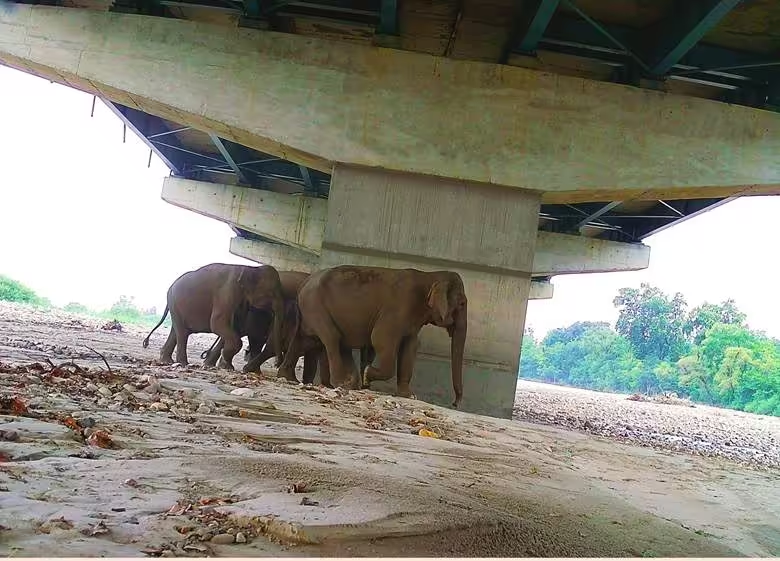
NHAI and WII Study Highlights Effectiveness of Wildlife Mitigation Measures on Delhi–Dehradun Economic Corridor
The NHAI–WII study on the Delhi–Dehradun Economic Corridor is a landmark in sustainable infrastructure. Here are the key insights from the report “Landscapes Reconnected”: Study Highlights - Conducted along the 18 km Ganeshpur–Asharodi section. - Used 150 camera traps and 29 acoustic recorders over 40 days. - Captured 111,234 images, of which 40,444 showed 18 unique wild species using the underpasses. - Frequent users: Golden Jackal, Nilgai, Sambar, Spotted Deer. - Notably, 60 elephant crossings were documented, proving even large mammals can safely navigate the structures. Infrastructure & Ecology - Features 10.97 km of animal underpasses, including Asia’s largest elevated wildlife corridor (6–7 meters high). - Divided into three zones: - Zone I: Ganeshpur–Mohand (5.43 km) - Zone II: Mohand–Asharodi (9.80 km) - Zone III: Asharodi–Mohabewala (3.14 km) Soundscape Management - Generalist species (jackals, wild boar) tolerate traffic noise. - Sensitive species (elephants, spotted deer) prefer quieter segments. - Noise barriers are recommended to further improve passage for sensitive wildlife. Broader Impact - Reduces human–wildlife conflict and prevents population isolation in the Shivalik landscape. - Demonstrates that highway development can coexist with biodiversity conservation. - Sets a precedent for integrating green infrastructure into future national highway projects. This study is a powerful example of how engineering and ecology can align to protect wildlife while enabling economic growth.
Follow us on Insta