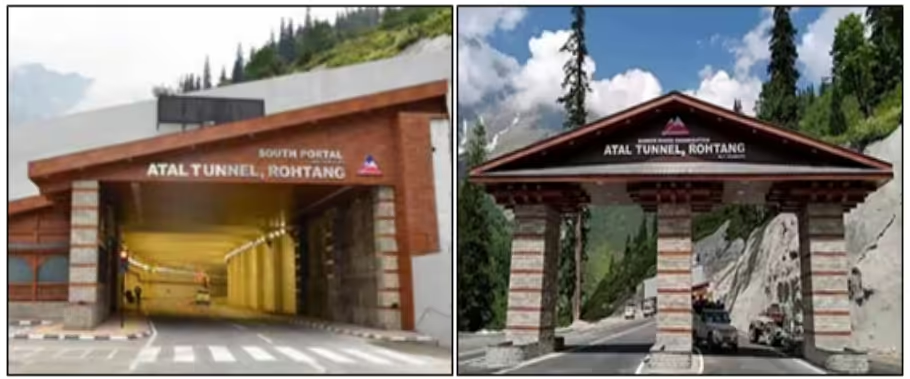
India’s tunnels are emerging as unique tourism assets
India’s tunnels are emerging as unique tourism assets, combining engineering marvels with scenic travel experiences—especially in the Himalayas and Western Ghats, where they enhance accessibility to remote destinations and create opportunities for adventure, heritage, and eco-tourism. 1. Scenic Connectivity Atal Tunnel (Himachal Pradesh) - World’s longest highway tunnel above 10,000 ft (9.02 km). - Reduces Manali–Leh travel time by 4–5 hours. - Opens up year-round access to Lahaul & Spiti, boosting winter tourism. Zojila Tunnel (J&K, under construction) - Will provide all-weather connectivity to Ladakh. - Expected to transform tourism by making high-altitude destinations accessible even in harsh winters. Tunnel T-50 (Udhampur–Srinagar–Baramulla Rail Link) - At 12.77 km, one of India’s longest rail tunnels. - Facilitates smoother travel for pilgrims and tourists to Kashmir. 2. Adventure & Heritage Tourism - Engineering Marvels: Tunnels like Chenani–Nashri (9.28 km) and Pir Panjal (11.2 km rail tunnel) attract visitors interested in modern engineering feats. - Adventure Routes: By cutting through rugged terrain, tunnels make trekking, skiing, and mountaineering destinations more accessible. - Heritage Appeal: Historic tunnels (e.g., Barog Tunnel on Kalka–Shimla Railway) are tourist attractions in themselves, blending colonial history with natural beauty. 3. Urban Tourism - Metro Tunnels (Delhi, Mumbai, Bengaluru): - Showcase India’s rapid urban transformation. - Underground stations and tunnels are part of city sightseeing for architecture and infrastructure enthusiasts. 4. Economic & Regional Impact - Boost to Local Tourism: Easier access increases footfall in remote villages, homestays, and eco-tourism hubs. - Year-Round Tourism: Tunnels eliminate seasonal barriers, ensuring steady tourist inflow. - Strategic Tourism Corridors: Enhanced connectivity supports pilgrimage tourism (Vaishno Devi, Amarnath) and border tourism in Ladakh and Arunachal. Challenges & Considerations - Environmental Concerns: Tunnel construction in fragile Himalayan geology risks landslides and ecological imbalance. - Maintenance & Safety: Tourist inflow requires strict safety protocols and infrastructure upkeep. - Balanced Development: Need to ensure tourism growth doesn’t overwhelm local ecosystems or communities. In short: India’s tunnels are not just transport shortcuts—they are gateways to tourism growth, offering adventure, heritage, and eco-tourism opportunities while reshaping accessibility across mountains and cities.
Follow us on Insta