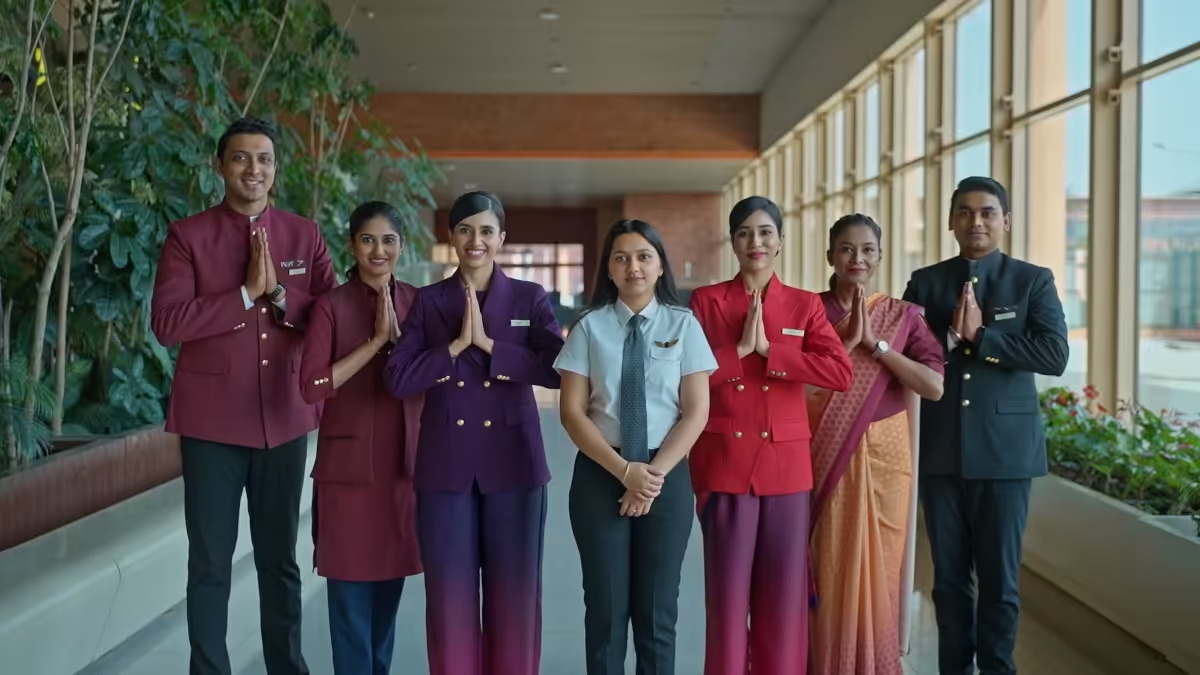
Air India’s people transformation: Rebuilt for scale, performance and the future
Air India’s newsroom article outlines a sweeping people transformation strategy that has been just as critical to its revival as new aircraft orders and route expansion. Major Shifts in Workforce & Structure - Privatisation reset: Removed redundant layers, streamlined decision-making, and consolidated four airlines into two within two years. - Scale rebuilt: Since 2022, Air India has hired ~14,000 employees, doubling pilots and cabin crew. - Younger workforce: Average age of non-flying staff dropped from 54 to 36; cabin crew from 46 to 30. - Diversity gains: Overall gender diversity rose from 35% to 44%; pilots now 16% female. Performance Culture - Shift from tenure-driven to merit-based progression. - KPIs, balanced scorecards, and redesigned compensation link performance to career growth. - Over 60 updated employee policies and 20+ new benefits aligned with market standards. - Learning ecosystem: Gurukul.AI platform offers 70,000+ modules for continuous development. Organisational Cohesion - Consolidated 63 dispersed offices into a new 800,000 sq ft headquarters in Gurugram, fostering collaboration and accountability. Training & Capability Building - Established South Asia’s largest aviation academy in Gurugram, training 2,000 professionals daily. - Expanded simulator capacity and launched new curriculum with structured assessments. - Upcoming flying school in Amravati (2026) with 34 trainer aircraft ordered. - Developing MRO facilities and a maintenance engineer training school in Bengaluru to strengthen technical self-reliance. Big Picture Air India’s transformation is not just about planes and routes—it’s about building a younger, more diverse, performance-driven workforce supported by modern infrastructure and training. This foundation is designed to make the airline’s revival sustainable and future-ready.
Follow us on Insta