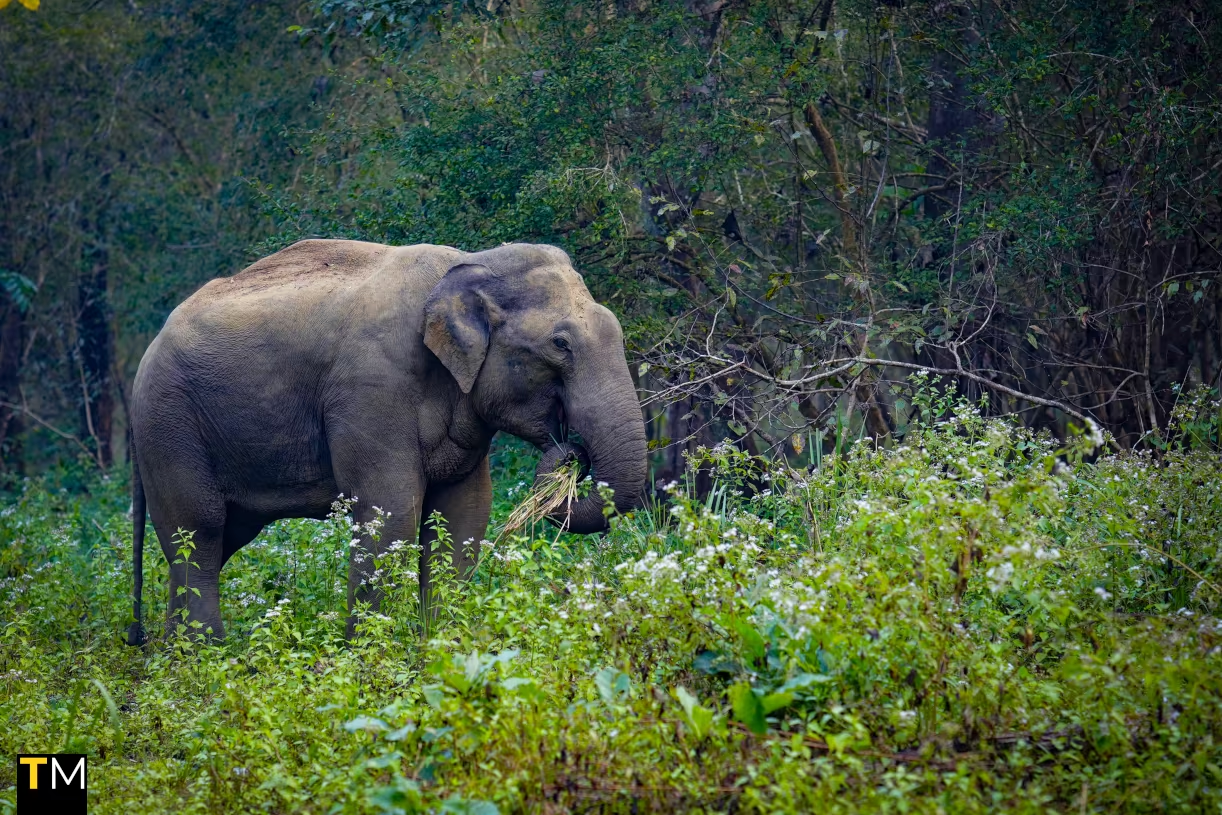
India Celebrated International Day for Biosphere Reserves
International Day for Biosphere Reserves is observed annually on 3 November.
The day highlights the role of biosphere reserves in conserving biodiversity while supporting sustainable development and local livelihoods.
India's Biosphere Reserve Network
-
India has 18 notified Biosphere Reserves.
-
13 reserves are part of UNESCO's World Network of Biosphere Reserves (WNBR).
-
India has the highest number of UNESCO-recognized biosphere reserves in South Asia.
Why Biosphere Reserves Matter
-
Biosphere Reserves serve three key functions:
-
Conservation: Protect biodiversity, ecosystems, and genetic resources.
-
Sustainable Development: Promote environmentally responsible livelihoods and economic activities.
-
Scientific Research: Support monitoring, education, training, and conservation studies.
Three-Zone Structure
-
Core Zone
-
Strictly protected area for biodiversity conservation.
-
Limited human intervention.
Buffer Zone
-
Supports research, education, and regulated ecotourism.
-
Acts as a protective layer around core areas.
Transition Zone
-
Supports human settlements and sustainable livelihood activities.
-
Encourages responsible use of natural resources.
-
India's Biodiversity Significance
-
India is one of the world's 17 mega-biodiverse countries.
-
Hosts approximately 7-8% of the world's recorded species despite occupying only 2.4% of Earth's land area.
Notable Biosphere Reserves
Nilgiri (Tamil Nadu, Kerala & Karnataka)
-
India's first Biosphere Reserve (1986).
-
UNESCO-recognized since 2000.
-
Home to species such as the lion-tailed macaque, Nilgiri tahr, elephants, and tigers.
Cold Desert (Himachal Pradesh)
-
Covers 7,770 sq km of high-altitude terrain.
-
Habitat for snow leopards, Himalayan ibex, and blue sheep.
-
Added to UNESCO's network in 2025.
Gulf of Mannar (Tamil Nadu)
-
One of India's richest marine biodiversity regions.
-
Features coral reefs, mangroves, and seagrass beds.
-
Supports more than 4,200 species.
Government Initiatives
-
Managed under the Ministry of Environment, Forest and Climate Change's Biodiversity Conservation Scheme.
-
Financial assistance provided to states for conservation and development activities.
-
Funding pattern:
-
60:40 (Centre:State) for most states.
-
90:10 for North Eastern and Himalayan states.
Integrated Management Plans
-
Five-year Integrated Management Plans have been piloted since 2022-23 in:
-
Nanda Devi
-
Pachmarhi
-
Dehang-Dibang
-
Agasthyamalai
Focus areas include:
-
Habitat restoration
-
Biodiversity monitoring
-
Scientific research
-
Sustainable livelihoods
Global Perspective
-
UNESCO's network includes 797 biosphere reserves across 145 countries.
-
These reserves directly benefit around 300 million people worldwide.
-
Biosphere reserves cover about 5% of Earth's terrestrial surface while supporting a significant share of global biodiversity.