Two-year comparative survey by ITB Berlin highlights new developments in perceived safety for queer travellers worldwide
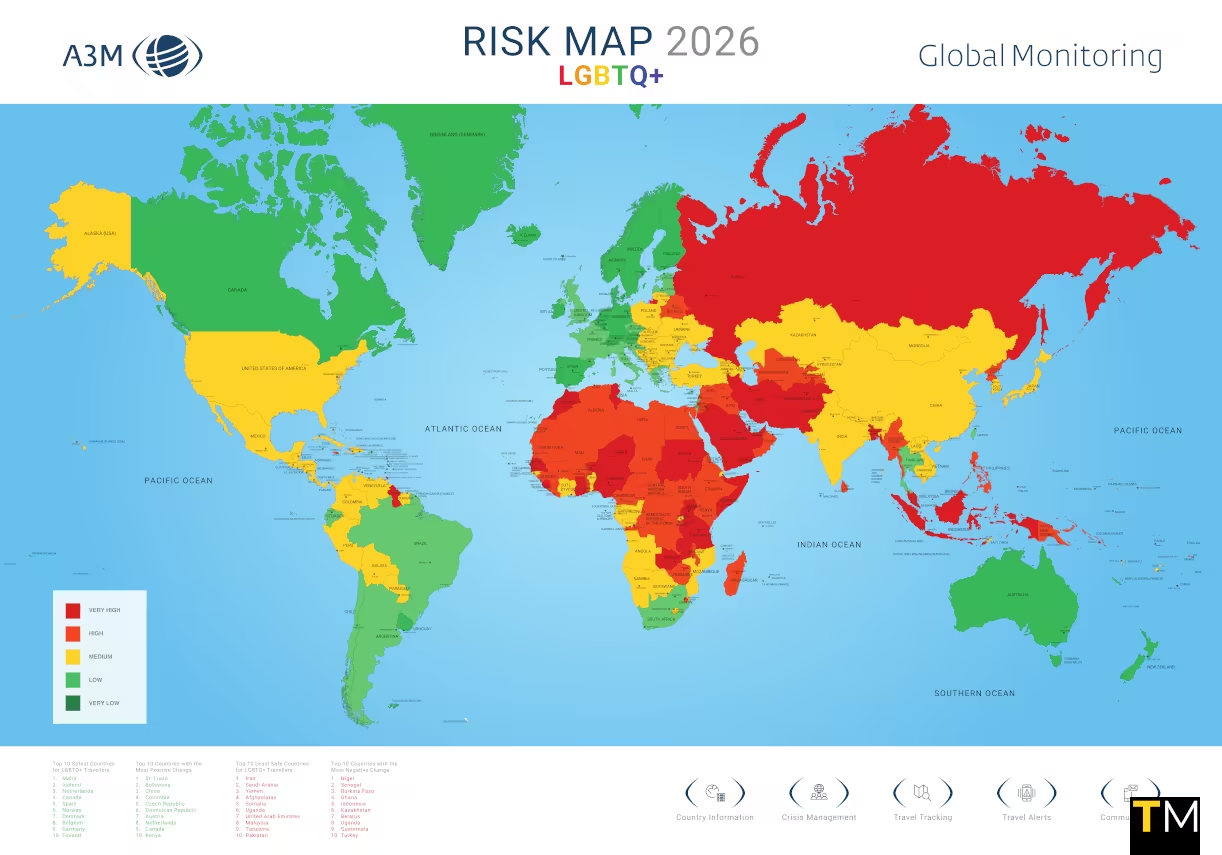
Second joint survey by ITB Berlin, A3M Global Monitoring and Diversity Tourism analyses global trends: Canada, the Netherlands, Spain and Austria are among positive-rated destinations, whereas perceptions of the situation in the US have changed significantly.
Global Trends
- Safety perceptions depend not only on laws but also on social acceptance, regional differences, and lived experiences.
- Queer travellers increasingly prioritize visibility, respect, and safe interactions with authorities and communities when planning trips.
High-Rated Destinations
- Canada & Netherlands: Rated best overall for respect, public openness, and positive interactions with police.
- Spain & Austria: Strong reputations as established LGBTQ+-friendly destinations.
United States – Declining Acceptance
- Respect for LGBTQ+ people in society dropped from 35% (2025) to 17% (2026).
- Respectful treatment by police fell from 39% to 17%.
- Confidence in safely reporting hate crimes declined from 52% to 33%.
- However, safe spaces grew stronger: active LGBTQ+ scenes accessible to tourists rose from 61% to 83%, with urban centres remaining vital havens.
Germany – Mixed Picture
- Strong legal equality, but regional differences persist.
- Urban areas are seen as open and safe, while conservative rural regions pose risks.
- Perception of “no-go areas” increased from 65% to 71%.
Emerging Challenges
- Digital risks: LGBTQ+ travellers face scams and attacks via dating apps/social media, even in liberal countries.
- Political shifts: Transgender rights are particularly vulnerable to changing policies.
Positive Developments
- Progress noted in Canada, Netherlands, Austria, China, and Colombia.
- Yet setbacks in Niger, Senegal, Burkina Faso, Kazakhstan, and Belarus, where restrictions have tightened.
Takeaway
The survey underscores that queer travel is growing, but safety and acceptance remain decisive factors. Preparation—through local expertise, LGBTQ+-friendly accommodations, and specialist tour operators—provides crucial guidance.
> “What matters most is whether travellers feel respected locally, whether they can be open about their identity in public, and how they interact with authorities, service providers and society.”