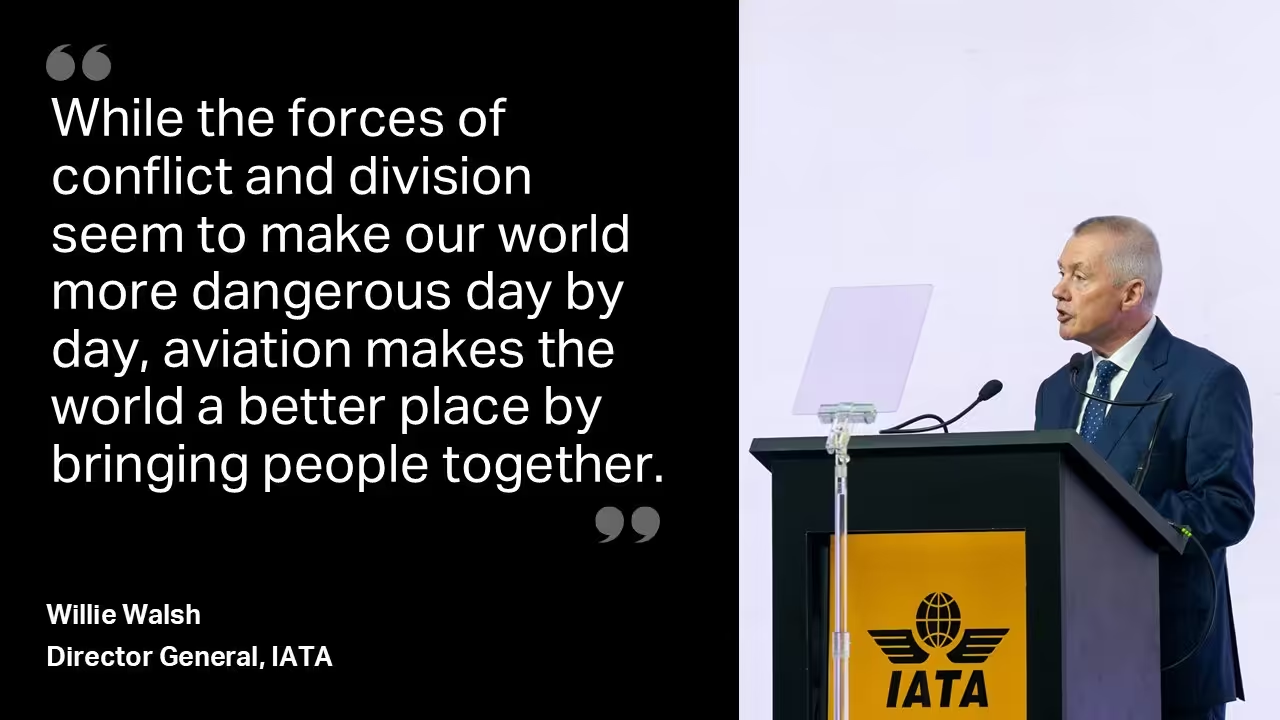
Willie Walsh's Report on the State of the Global Air Transport Industry at IATA's 82nd AGM
Here are the key highlights from Willie Walsh’s report at IATA’s 82nd AGM: Industry Challenges - Fuel Costs: Jet fuel prices are expected to rise 70% year-on-year, adding $100 billion to airlines’ fuel bills. - Profitability: Net profits projected to fall from $45 billion in 2025 to $23 billion in 2026, with margins halving to 2%. - Supply Chain Failures: Aircraft and engine delivery delays have left airlines short of 5,000 more efficient aircraft, costing $11 billion in 2025. Supply Chain & OEMs - Walsh criticized engine manufacturers for profiting while airlines suffer from delays and inefficiencies. - Highlighted a new agreement with CFM to increase competition in aftermarket services, aiming to improve parts availability. Advocacy & Policy - Global Standards: Emphasized the need for consistent global regulation, especially in safety, taxation, and passenger rights. - Taxation: Warned against Brazil’s proposed 26.5% VAT on tickets, which could eliminate millions of journeys. - Passenger Rights: Criticized EU261 regulation as disproportionate and costly (€8 billion annually), calling for reform. Infrastructure & ATM - Airports: Praised new hubs in Vietnam, Singapore, and Sydney, but criticized poor policies in Manila, Lisbon, Lima, and Mexico City. - Air Traffic Management: Called out inefficiencies in Europe and the US, noting that even a 5% improvement could save $12.5 billion annually and cut emissions. Sustainability - Net Zero by 2050: Progress threatened by weak government support for CORSIA and slow SAF (Sustainable Aviation Fuel) production. - SAF Gap: Current production covers only 0.8% of airline fuel needs; target is 65% by 2050. - Criticized EU and UK mandates that raise costs without increasing supply, urging incentives instead. Future Outlook - Walsh expressed optimism about AI’s role in improving efficiency and customer service. - Announced he will step down as IATA Director General to become CEO of IndiGo Airlines. 👉 In short, Walsh painted a picture of an industry under immense pressure from fuel costs, supply chain failures, and regulatory burdens, but still resilient thanks to strong demand and a commitment to sustainability. He urged governments and manufacturers to step up, while airlines continue to adapt and innovate.
Follow us on Insta