How India’s Mangoes Ride Air India’s Long-Haul Network Across the World
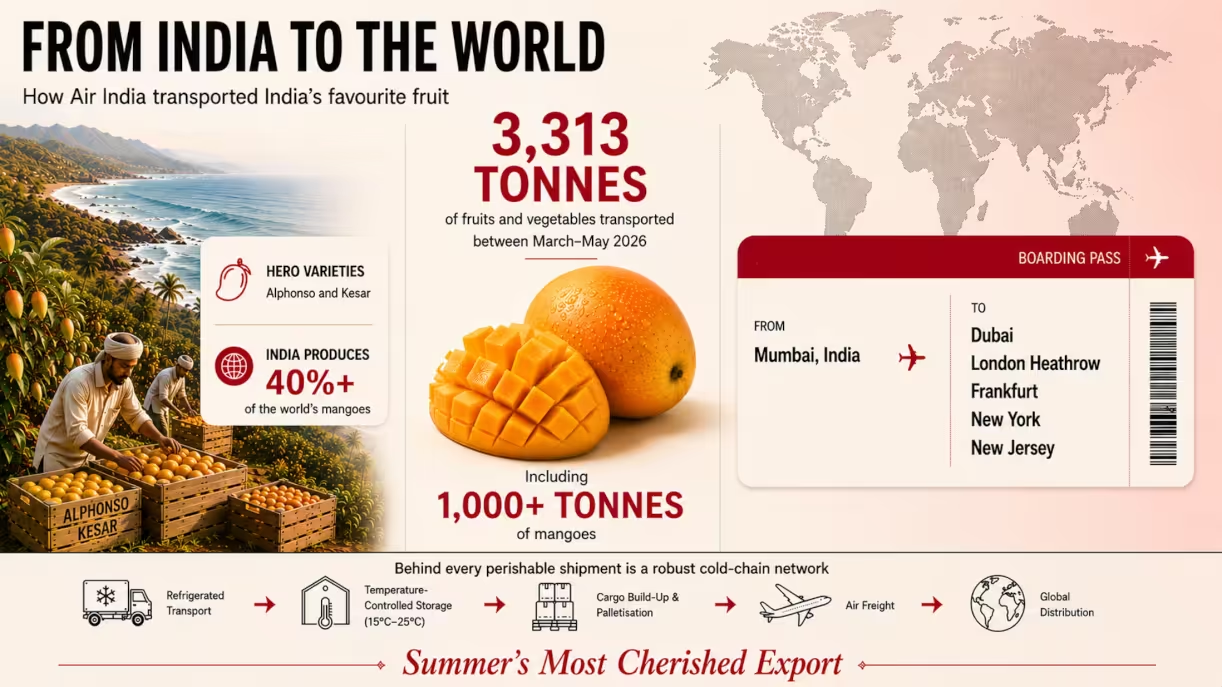
On a humid evening in Mumbai, as Air India’s widebody aircraft prepare for their overnight departures to London, New York and Frankfurt, the cargo holds below the passenger cabins are filled with an unlikely but eagerly awaited traveller: boxes of carefully packed mangoes, their fragrance contained but unmistakable. Scale of transport: Between March–May 2026, Air India moved 3,300 tonnes of fresh produce, of which 1,000 tonnes were mangoes. Origins: Alphonso and Kesar mangoes from Maharashtra and Gujarat dominate exports. Destinations: Weekly shipments during peak season included 180 tonnes to London Heathrow, ~40 tonnes to Frankfurt, and ~30 tonnes each to Dubai, Newark, and JFK. Cold chain logistics: Mangoes travel in refrigerated trucks, temperature-controlled storage (15–25°C), and specialised containers. Air India has invested in cold-storage facilities across 14 airports worldwide, all GDP-certified. Cultural resonance: For diaspora communities, mango arrivals are more than commerce—they mark seasonal rhythms and evoke nostalgia. In London and New York, the mango season is short but intense, with crates selling out quickly. Larger picture: Air India handles 400,000 tonnes of cargo annually, making it India’s largest international cargo operator. Mango shipments highlight how aviation connects not just places, but traditions and tastes across continents. It’s fascinating how a fruit becomes a cultural bridge—one night’s flight from Mumbai, and summer arrives in kitchens half a world away.
Follow us on Insta