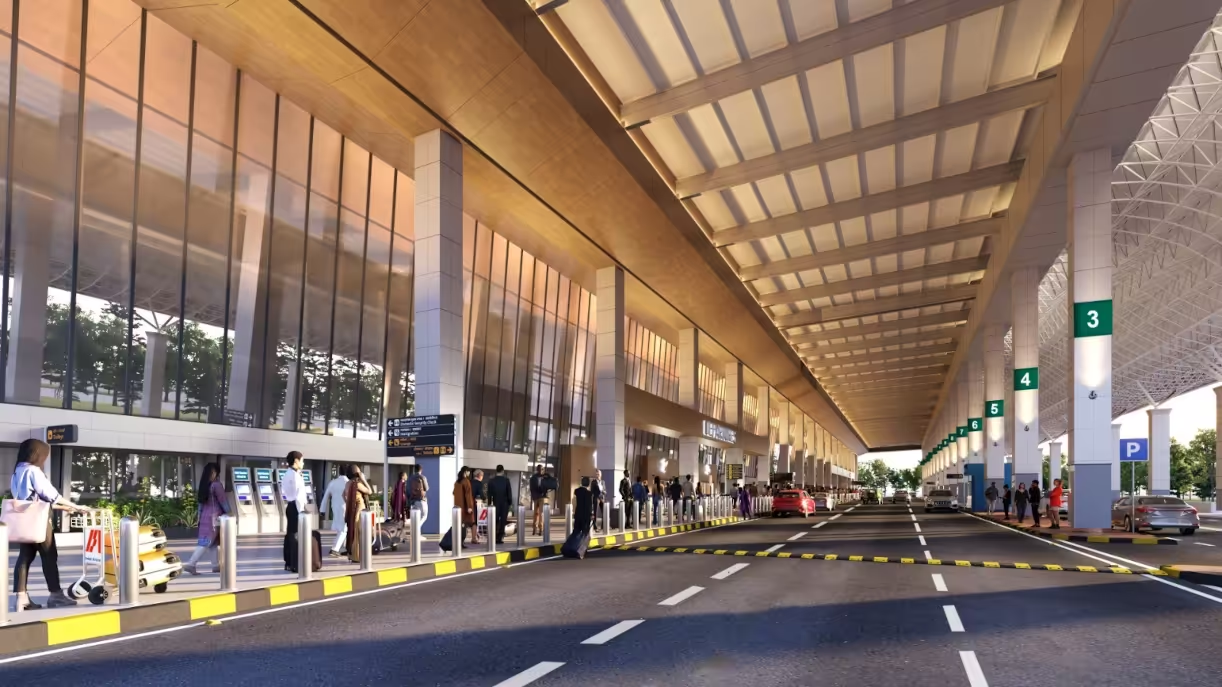
GMR Airports Unveils Multi-Phase Expansion Roadmap for Nagpur Airport
GMR Airports Ltd has unveiled a multi-phase modernization plan for Dr. Babasaheb Ambedkar International Airport, Nagpur, following the successful handover of nearly 1,000 hectares of land in June 2026. This marks a major step in positioning Nagpur as Central India’s largest aviation, cargo, and Aerocity ecosystem.
Phase 1 (12–18 months):
- ₹300 crore investment for immediate upgrades
- Refurbished terminal, more check-in counters & kiosks
- Expanded security zones, lounges, bus boarding gates
- Improved passenger access and amenities
Phase 2 (Years 3–4):
- New integrated passenger terminal (capacity: 4 million annually)
- Cargo terminal (20,000 MT annual capacity)
- In-flight kitchen, fuel farm, ground handling infrastructure
- Enhanced parking and city-side development
Phase 3 (Years 5–8):
- Second runway construction
- New ATC tower and technical building
- Dedicated power and water infrastructure
- Long-term resilience and growth facilities
Strategic Vision
- Passenger capacity to grow from 3 million to 30 million annually, with potential to reach 50 million.
- Cargo handling capacity planned at 150,000 MT per annum.
- 100 hectares earmarked for Aerocity development, boosting commercial activity and regional growth.
- Sustainability focus: green energy, rainwater harvesting, eco-friendly infrastructure.
Leadership Voices
- G.B.S. Raju (Chairman, GMR Airports): Airports as engines of economic growth and nation-building.
- S.G.K. Kishore (Executive Director & CIO, GMR Group): Vision of a future-ready, sustainable aviation hub.
- Srikanth Bhandarkar (CEO, Nagpur Airport): Commitment to efficiency, convenience, and comfort for travelers.
This roadmap cements Nagpur’s role as a strategic aviation and logistics hub at the heart of India, driving trade, tourism, and investment.
Follow us on Insta