WTTC Encourages Barcelona to Reconsider Proposed Cruise Tourist Tax Increase
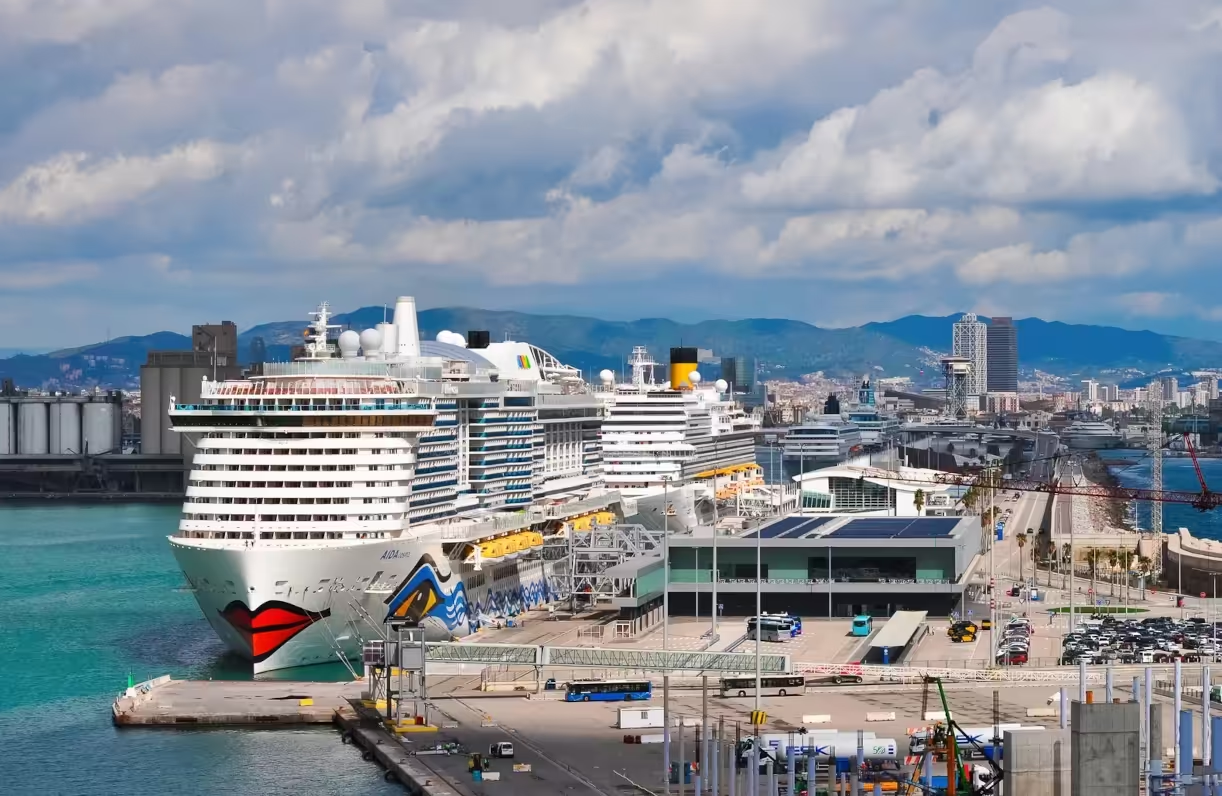
The World Travel & Tourism Council (WTTC) has expressed concern over proposals to increase Barcelona's tourist tax on short-stay cruise passengers, warning that the measure could weaken the city's competitiveness and have unintended consequences for the local economy. WTTC’s Main Concerns - Competitiveness: Higher taxes could push cruise lines and passengers toward other Mediterranean ports, weakening Barcelona’s position as a leading cruise hub. - Economic Impact: Cruise tourism generates significant local spending — about €255 per homeport passenger — and contributed €11.9 million in taxes to the city in 2024. A tax hike could reduce visitor spending ashore, leading to job losses in hospitality, retail, and transport. - Evidence from Other Destinations: WTTC cites research showing that sudden tax hikes rarely achieve desired outcomes. For example, a proposed €10 daily visitor tax in the UK could risk £14 billion in lost international visitor spend. Current Trends - Barcelona already saw a 3.3% decline in transit cruise passengers in 2024. - International spending growth projections for 2025 are modest at 2.7%, trailing other major European destinations. - Introducing new barriers could worsen this slowdown, creating a “domino effect” across the tourism ecosystem. WTTC’s Recommendations - Collaborative Planning: Engage local government, communities, and the private sector to co-design sustainable strategies. - Long-Term Solutions: Focus on infrastructure, sustainability, and balanced policies rather than short-term fiscal fixes. - Cruise Industry’s Role: CLIA research shows 60% of cruise travelers return to destinations they first visited by cruise — highlighting the sector’s importance as a gateway for future tourism. In short, WTTC argues that Barcelona’s success as a cruise destination is too valuable to risk with abrupt tax increases. They call for balanced, long-term planning that protects both sustainability goals and the city’s economic vitality.
Follow us on Insta