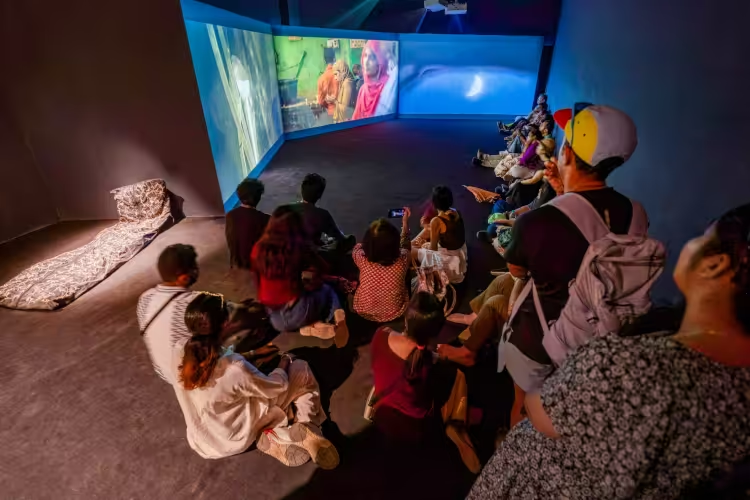
In the quiet after the crisis: Pallavi Paul’s Alaq at the Kochi Biennale
At the Kochi-Muziris Biennale, Pallavi Paul’s Alaq unfolds as a three-channel cinematic installation. About Alaq - Format: A three-channel cinematic installation, running for 40 minutes. - Tone: Rejects spectacle and sensationalism, instead asking viewers to slow down, listen, and sit with grief, memory, and care. Themes: - Collective vulnerability and resilience after crises. - Intersections of medical science and spiritual belief. - Testimonies from frontline workers, caregivers, and communities affected by recurring outbreaks (notably Nipah virus). - Presence of the shrine of Beema Bevi, a saint figure associated with healing across religious boundaries. Artistic Approach - Methodology: Filmed only with consent, avoiding intrusive or aestheticized trauma. - Visuals: Microscopic viral imagery, archival fragments, slow observational footage, and intimate portraits of care. - Ethics: Refuses spectacle—no dramatic crescendos or exploitative close-ups. - Goal: To show how science and faith both function as systems of hope, discipline, and responsibility in uncertain times. Companion Works - Anasir (2025): Collagraph prints embedding traces of images into paper through embossing and etching. - Trousseau (2025): Medical body bags reworked with embroidery, transforming instruments of death into objects of care and ritual. Significance - Artist: Pallavi Paul, New Delhi-based visual artist and film scholar, known for exploring grief, loss, and political agency. - Message: Alaq reframes contagion not as an event but as a lingering condition in bodies, landscapes, and relationships. - Impact: Encourages patience, collective listening, and recognition of frontline workers and communities as agents of dignity and imagination.
Follow us on Insta