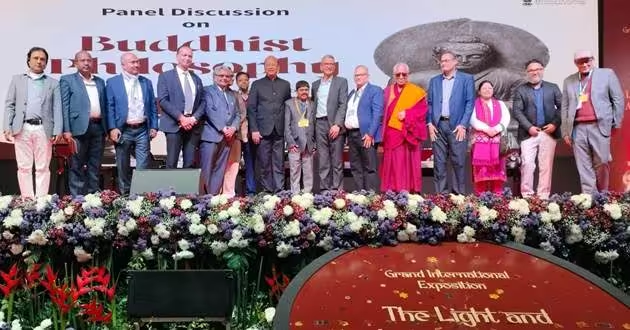
Repatriation of the Piprahwa Relics represents an act of shared stewardship rather than ownership
On the occasion of the inauguration of the Grand International Exhibition of the Sacred Piprahwa Relics by the Prime Minister Shri Narendra Modi, a panel discussion on “Buddhist Philosophy” was organised at the Rai Pithora Cultural Complex, New Delhi. Shared Stewardship: Instead of treating the relics as property to be possessed, India emphasizes their role as sacred heritage belonging to all humanity. Stewardship means caring for them responsibly, ensuring they continue to inspire spiritual practice and cultural dialogue. Beyond Ownership: Ownership implies exclusivity, but relics of the Buddha transcend borders. They are symbols of universal values—compassion, ethical conduct, and peace—that belong to everyone. Living Connection: The relics are not just archaeological artifacts; they sustain living traditions by connecting present-day practitioners with the historical Buddha. Cultural Diplomacy: Returning and displaying relics fosters goodwill and strengthens India’s role as the Motherland of Dhamma, reaffirming its civilizational responsibility. Philosophical Depth: Buddhist thought emphasizes impermanence and non-attachment (Anattā). By framing repatriation as stewardship, India aligns with these teachings—valuing care and reverence over possession. Global Relevance: In today’s fragmented world, such gestures highlight cooperation, ethical responsibility, and shared human values. In essence, this act is less about having and more about honoring—a reminder that sacred heritage is meant to be safeguarded collectively, not claimed individually.
Follow us on Insta