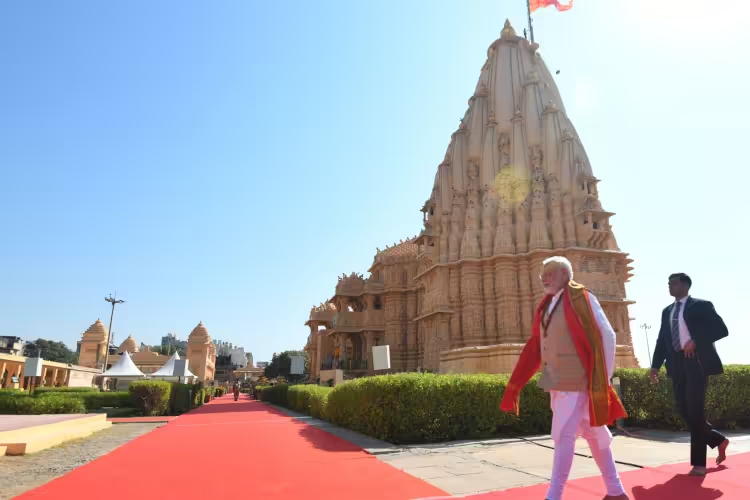
Prime Minister Pays Tribute to 1000 Years of Somnath’s Resilience
Prime Minister Narendra Modi has paid tribute to the Somnath Temple’s thousand-year journey of resilience, marking the millennium since the first recorded attack on the shrine in 1026 by Mahmud of Ghazni. Somnath’s Spiritual Significance: Recognized as the first of the 12 Jyotirlingas, Somnath has been a symbol of India’s civilisational and spiritual strength. Ancient texts proclaim that even the sight of the Somnath Shivling frees devotees from sins and fulfills righteous desires. Historic Struggles & Rebuilding: Despite repeated invasions over centuries, Somnath was rebuilt time and again by courageous leaders and devotees. Figures like Ahilyabai Holkar, Swami Vivekananda, and later Sardar Vallabhbhai Patel played pivotal roles in its restoration. Post-Independence Revival: In 1951, the temple was magnificently restored under Patel’s vision, with President Dr. Rajendra Prasad inaugurating the shrine. This moment symbolized India’s determination to reclaim its heritage. Message of Hope & Faith: Modi emphasized that Somnath’s story is not defined by destruction but by unbreakable courage and regeneration. He described it as a “song of hope” that proves faith and conviction can outlast fanaticism and violence. Modern Context: Linking Somnath’s resilience to India’s present, Modi highlighted India’s rise as a global growth hub, with reforms, innovation, and cultural exports like Yoga and Ayurveda strengthening its global standing. Symbolism Somnath today stands as a living testament to India’s indomitable spirit—a shrine that has endured invasions, colonialism, and centuries of struggle, yet continues to inspire devotion and pride. Modi’s tribute connects this resilience to the broader vision of building a Viksit Bharat (Developed India), guided by civilisational wisdom and collective strength.
Follow us on Insta