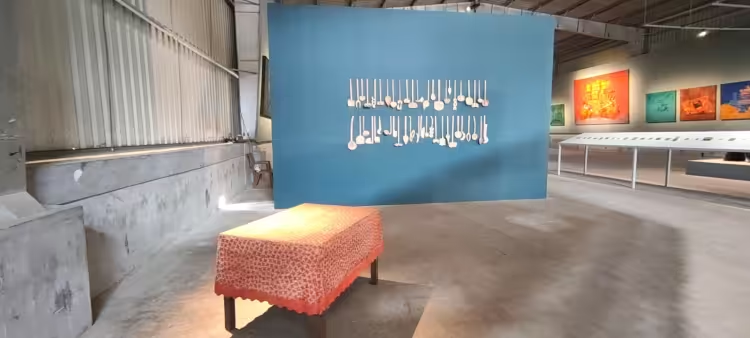
Femininity in Kitchen Utensils: Arti Kadam’s reflections on the intricacies of women’s lives
Arti Kadam’s installation Dohar 2025, showcased at the Kochi-Muziris Biennale, is a striking exploration of how everyday kitchen utensils can embody femininity and reflect the layered experiences of women’s lives. Femininity in the Ordinary Kadam challenges viewers to see spoons, ladles, and jars not just as functional tools but as carriers of identity, resilience, and adaptability. She suggests that femininity is hidden in every utensil, much like in the unnoticed details of women’s daily lives. Material as Metaphor The utensils are carved from locally sourced softwood. Kadam draws a parallel between wood and women’s lives—both can be shaped into any form, symbolizing strength, flexibility, and endurance. Kitchen as Cultural Memory For Kadam, the kitchen is not merely a domestic space but a site of heritage. Vessels passed down through generations embody traditions, agricultural practices, and social values, transcending caste, religion, and inequality. Modern vs. Traditional Kitchens She contrasts vibrant, utensil-filled traditional kitchens with sleek, modular modern ones where utensils are hidden away. This shift, she argues, erases the “character” of kitchens and disconnects families from their cultural roots. Romanticism and Reflection Her installation includes a wooden sculpture of a kitchen, a laid table, and utensils displayed on walls—inviting viewers to reflect on aesthetics, memory, and the unseen labor tied to femininity. Why It Matters Kadam’s work reframes domestic objects as symbols of identity and resilience. By elevating utensils into art, she highlights how women’s lives—often overlooked—are deeply intertwined with heritage, tradition, and creativity.
Follow us on Insta