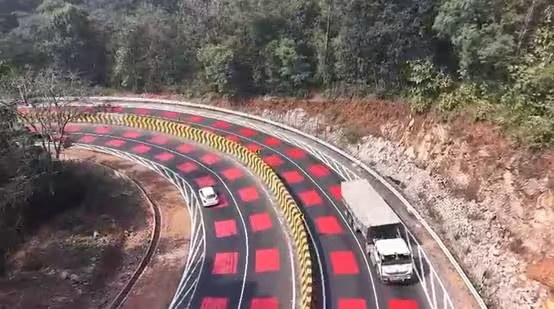
Red Roads, Green Intent: NHAI is redefining highway safety while protecting wildlife and forest ecology
The initiative “Red Roads, Green Intent” by the National Highways Authority of India (NHAI) is a fascinating example of how infrastructure can be designed to balance human safety, wildlife protection, and ecological preservation. India’s First ‘Table-Top Red Marking’ - Inspired by Sheikh Zayed Road in Dubai. - A 5 mm thick thermoplastic red surface layer laid across danger zones. - Bright red alerts drivers to slow down in wildlife-sensitive corridors. - Slightly raised surface provides tactile and audible feedback without discomfort. Wildlife-Friendly Engineering - 25 dedicated animal underpasses along an 11.96 km stretch in the Veerangana Durgavati Tiger Reserve, Madhya Pradesh. - Continuous chain-link fencing guides animals safely toward underpasses. - Cameras on bridges monitor wildlife movement. - Solar lighting at junctions enhances visibility without harming the environment. Minimal Ecological Impact - No disturbance to wildlife habitats. - Lower noise compared to rumble strips. - Fully reversible if future improvements are needed. Why It Matters This project sets a benchmark for sustainable highway development in India: - Saves human lives by reducing accidents. - Protects wildlife from collisions. - Preserves forest ecosystems. - Ensures smoother, safer travel for motorists. It’s a powerful message: red roads don’t signal danger here—they symbolize thoughtful design and green intent.
Follow us on Insta