KTM 2026 seminar calls for prioritising accessibility in tourism planning
Experts called for prioritising systems and facilities that are easy to use and accessible to everyone while planning and designing tourism projects.
Key Observations
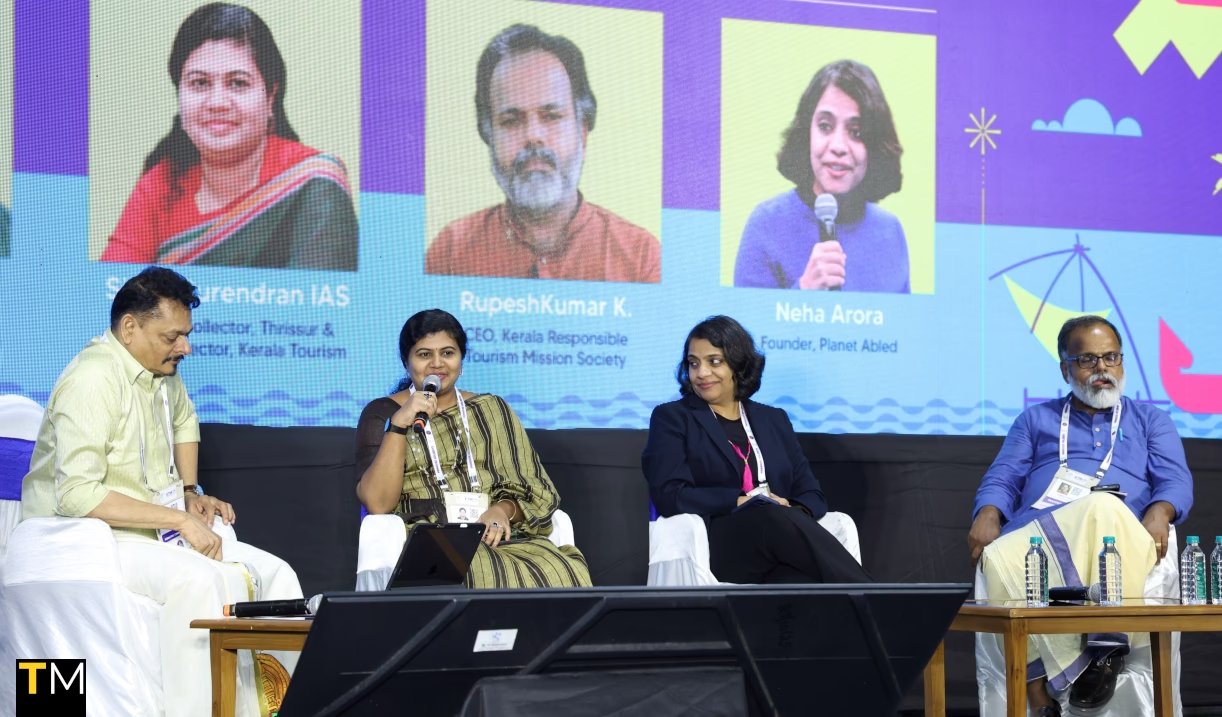
- Accessibility beyond ramps: Thrissur District Collector Shikha Surendran emphasized that tourism projects must consider both physical and mental disabilities, not just wheelchairs or special rooms.
- Training for stakeholders: Tour operators, hotel staff, taxi drivers, and others should be trained in disability-friendly practices.
- Digital information systems: Destinations should provide clear maps and digital tools showing available facilities.
- Audits needed: Accessibility audits should be conducted; gender audits at 72 destinations showed only 16–20% compliance with equality standards in some places.
Responsible Tourism Perspective
- Rupesh Kumar (Responsible Tourism Mission Society CEO): Tourism should improve life for locals and visitors alike. Kerala has implemented women-friendly tourism, with 18,500 of 26,000 units run by women’s collectives.
- Neha Arora (Planet Abled founder): Travel experiences must be inclusive for all. Guides should be trained to provide equal interpretation for travelers with disabilities. Hotels urgently need more accessible rooms.
- Other voices: Videos and information about destinations should be designed for people with visual, hearing, and intellectual disabilities.
Takeaway
Kerala is positioning itself as a leader in inclusive tourism, aiming to set an example for accessibility just as it has done with women-friendly tourism. The seminar highlighted the importance of collaboration, training, audits, and digital innovation to make tourism truly accessible for everyone.