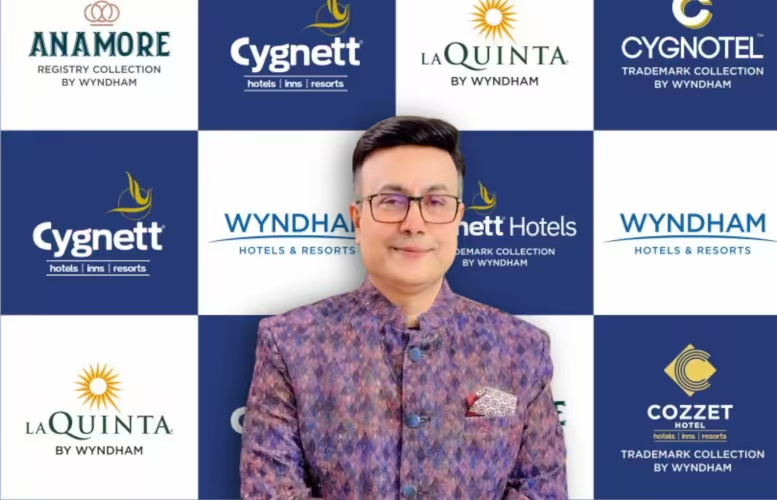
Budget Reactions from Mr. Sarbendra Sarkar, Managing Director and Founder, Cygnett Hotels and Resorts
"Budget 2026 presents a comprehensive and future-ready vision for tourism and hospitality, placing India firmly on a high-growth trajectory. The focus on building a world-class hospitality talent hub, along with professional guide training, will significantly raise service standards and create a skilled workforce capable of delivering globally benchmarked experiences. Digital destination platforms and creator-led promotion signal a modern, data-driven approach to tourism marketing that will enhance visibility and demand across regions. The reduction of TCS on overseas tour packages to 2 percent is a welcome move that improves travel affordability and sentiment, while the rollout of green high-speed rail corridors will redefine inter-city mobility. Faster, sustainable rail connectivity will encourage shorter, more frequent trips and unlock new demand for city and regional hospitality. Enhanced last-mile access through initiatives such as seaplane connectivity further strengthens destination reach. Equally impactful is the emphasis on eco-friendly mountain trails, heritage site revitalisation, Buddhist circuits and Purvodaya-led tourism development. These initiatives balance conservation with livelihood creation and help diversify tourism beyond traditional markets. The growing focus on medical tourism further positions India as a competitive global destination. For Cygnett Hotels and Resorts, this integrated policy push creates a strong foundation for expansion across business, leisure and emerging destinations. Budget 2026 reinforces confidence in India’s tourism growth story, driven by connectivity, capability and conscious development." Mr. Sarbendra Sarkar, Managing Director & Founder, Cygnett Hotels & Resorts Disclaimer: The views and opinions expressed in this article are personal and do not necessarily reflect the official policy or position of the publication or its editorial team
Follow us on Insta