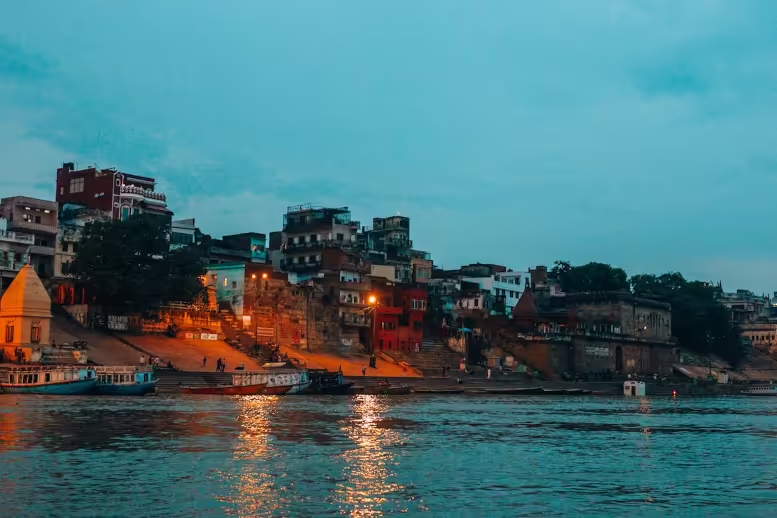
India’s tourism infrastructure development in 2026
India’s tourism infrastructure development in 2026 is focused on expanding connectivity, upgrading hospitality capacity, and integrating cultural and pilgrimage circuits under schemes like PRASHAD and Swadesh Darshan. The upcoming Union Budget 2026 is expected to grant infrastructure status to tourism, rationalize GST, and boost investment in Tier II and III cities. 1. Policy & Budget Expectations - Infrastructure Status: Industry stakeholders are urging the government to recognize tourism and hospitality as core infrastructure, enabling easier financing and long-term investment. - GST Rationalization: Simplified tax structures to make travel and hospitality more affordable. - MSME Support: Easier access to credit for small and medium enterprises in tourism. - Connectivity Expansion: Faster build-out of airports, highways, and rail links to improve access to destinations. 2. Hospitality & Accommodation - Hotel Capacity: India needs to expand hotel rooms significantly to meet rising domestic and international demand. - Tier II & III Cities: Focus on developing hotels and resorts beyond metros to tap into growing regional tourism markets. 3. Regional Development - Religious & Cultural Tourism: PRASHAD scheme continues to fund infrastructure at pilgrimage sites like Ayodhya, Varanasi, Amritsar, Sabarimala, and Guruvayur. - Eco & Adventure Tourism: States like Uttarakhand are investing in aviation and connectivity to promote adventure and spiritual tourism, recently winning recognition at WINGS India 2026. 4. Emerging Trends - Domestic Travel Surge: Growth in leisure, weddings, medical tourism, and business travel across smaller cities. - Digital Integration: Smart ticketing, online booking systems, and virtual tourism platforms are being expanded. - Sustainability: Emphasis on eco-friendly infrastructure, renewable energy adoption in hotels, and conservation-linked tourism. Key Benefits of Infrastructure Development - Economic Growth: Tourism contributes significantly to GDP and employment. - Job Creation: Expansion of hotels, transport, and cultural circuits generates local jobs. - Global Competitiveness: Improved infrastructure positions India as a premier global destination. - Regional Balance: Development in Tier II/III cities reduces pressure on metros and spreads benefits. Challenges & Risks - Funding Gaps: Without infrastructure status, tourism projects face high borrowing costs. - Tax Complexity: Multiple GST slabs hinder affordability and competitiveness. - Coordination Issues: Projects often delayed due to state–centre coordination and land acquisition hurdles. - Sustainability Concerns: Rapid development risks damaging fragile ecosystems if not managed responsibly. ✅ Takeaway: India’s tourism infrastructure development in 2026 is at a turning point, with policy reforms, connectivity upgrades, and cultural corridor projects set to transform the sector into a core engine of economic growth and global competitiveness.
Follow us on Insta