KMB 2025: Invincible ghosts render refrains of a bygone time
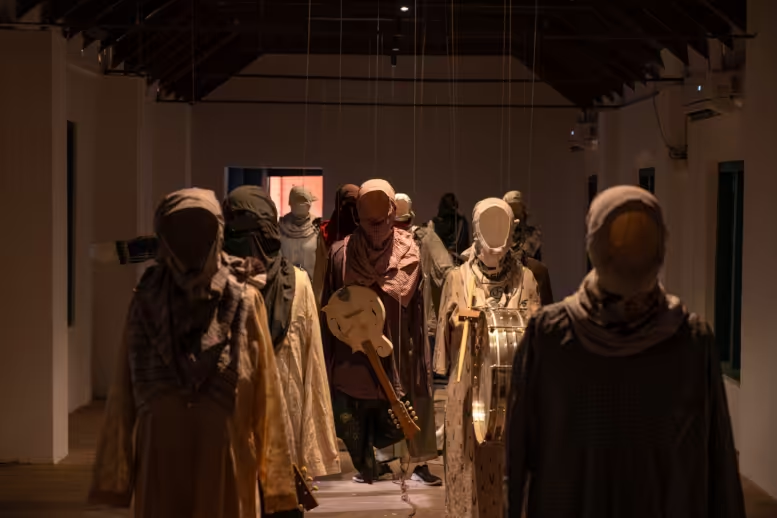
Melancholic and haunting, the music lingers with thoughts of longing—could be for one’s land, its music, its culture and beauty, rights, freedom and needs that were deprived of by colonial power and consequent uprooting and displacement. Theme & Atmosphere - The Biennale’s framing phrase “Invincible ghosts render refrains of a bygone time” is embodied in The Ghost Ballad, an installation by Indonesian artist and musician Jompet Kuswidananto. - The work is described as melancholic and haunting, evoking longing for land, culture, rights, and freedoms lost to colonial displacement. - Ghostly figures—faceless, hollow, scarf-covered forms—play guitars, beat drums, and sing, creating a surreal parade of music and memory. Artistic Details - The installation is housed at Pepper House, Fort Kochi, as part of the Kochi-Muziris Biennale 2025. - Visitors encounter whispering voices, strumming guitars, and drumbeats that grow audible only when approached closely—creating an intimate, personal connection. - Footwear placed near each figure symbolizes grounding in native soil, while the floating bodies suggest migration and seafaring. Historical Resonance - Jompet connects colonial histories of Indonesia and India, especially the Portuguese presence. - He references Fado (Portuguese mournful music) and its Indonesian counterpart Keroncong, both born of colonial encounters and displacement. - The installation becomes a universal language of resistance and resilience, showing how music carried across seas became both solace and protest. Performances - Songs by Giwing Topo (Indonesia) and Nadia Rebelo (Goa) weave together colonial histories of both regions. - The music shifts from Fado to Keroncong to Jompet’s own compositions, layered with the sound of waves—symbolizing reinvention and continuity.
Follow us on Insta